

A Timeline of Public Interest and Integrity: From BPI to Impact for Equity
Since 1969, we are the organization to which many have turned and continue to turn when creative, cooperative legal strategies are needed to advance the work for justice and equity. Please take a moment to read our story from our beginnings to now.
1969

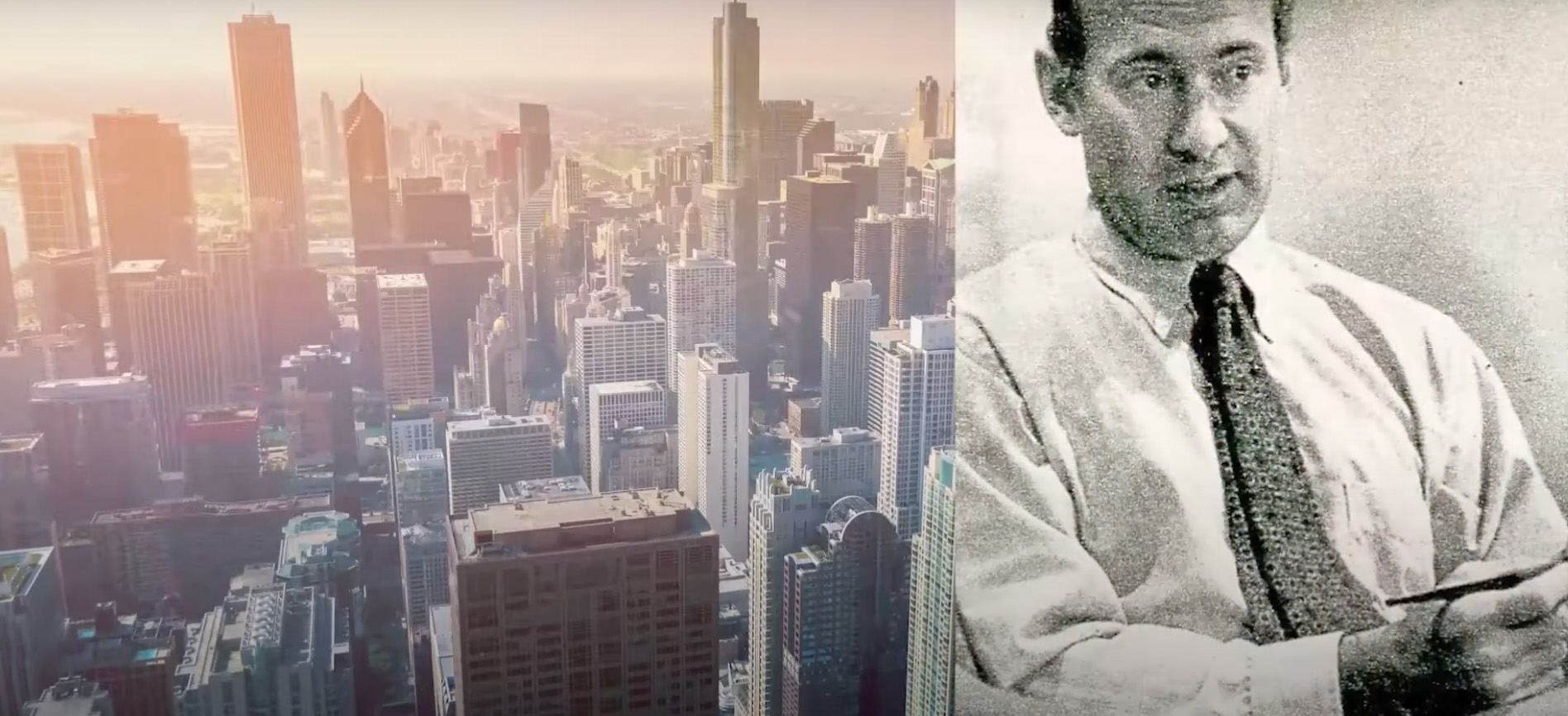
Gordon B. Sherman, president of the Midas Muffler Corporation, organized a group of prominent, civic-minded business leaders who would take a stand to fight for the public interest against all manner of racism, segregation, and inequity in Chicago and Illinois. In March 1969, Businessmen for the Public Interest (BPI) was founded.
In its first year, BPI’s “Don’t Do It in the Lake” campaign galvanizes public sentiment, and against great odds, helps prevent construction of an airport in Lake Michigan.
1970
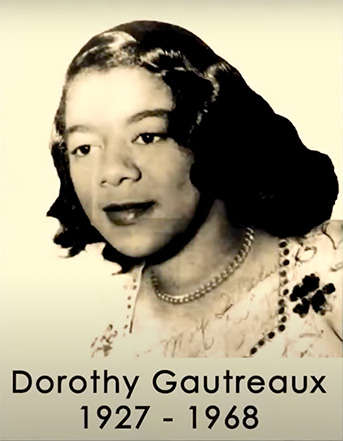
BPI becomes home to the historic Gautreaux et al. v. Chicago Housing Authority desegregation case when lead attorney Alexander Polikoff joins BPI as Executive Director.
1972
BPI obtains an unprecedented federal court order that permits inspection of voter registration cards and leads to federal fraud indictments and the creation of Project LEAP, a citizens’ watchdog group for fair election practices.
1974
BPI takes the initiative in forming one of Chicago’s most useful citizen organizations, Friends of the Parks.
1976
BPI’s Gautreaux victory in the U.S. Supreme Court establishes the principle that metropolitan-wide remedies are permissible to redress central city housing segregation. The Gautreaux Assisted Housing Program, the nation’s first housing mobility program, is launched.
1982
BPI and a partner organization form the Chicago Energy Commission, whose report identifies hundreds of millions of dollars a year in energy costs savings for Chicagoans.
1988

BPI litigation to force Commonwealth Edison to pay for the consequences of its own mismanagement helps save Illinois businesses and residential customers nearly $1 billion.
1992
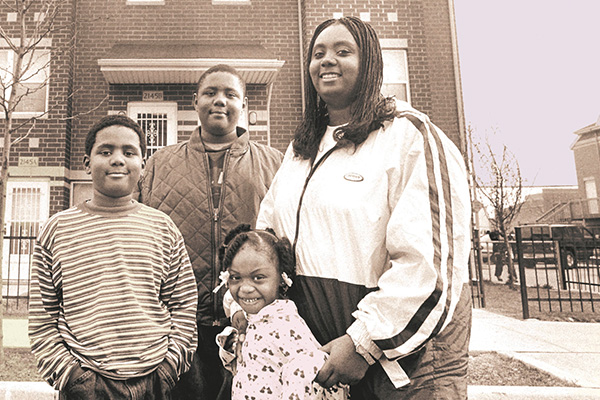
BPI’s long-term efforts lead all Chicago Housing Authority scattered site public housing to come under private management, enabling better oversight and living conditions for residents.
1994
With BPI help, Moving to Opportunity, a program modeled on Gautreaux, is launched. This program, which enables public housing residents to move to low-poverty communities, begins in five cities across the country including Chicago.
1999
The U. S. Court of Appeals affirms that Gautreaux rules apply to federal public housing redevelopment programs, a major victory for the 30-year-old housing segregation case.
2002
BPI joins with other housing advocacy organizations to insist that the Chicago Housing Authority appoint an independent monitor for relocation under the Plan for Transformation. BPI and its partners successfully advocated for improvements to the program.
2007
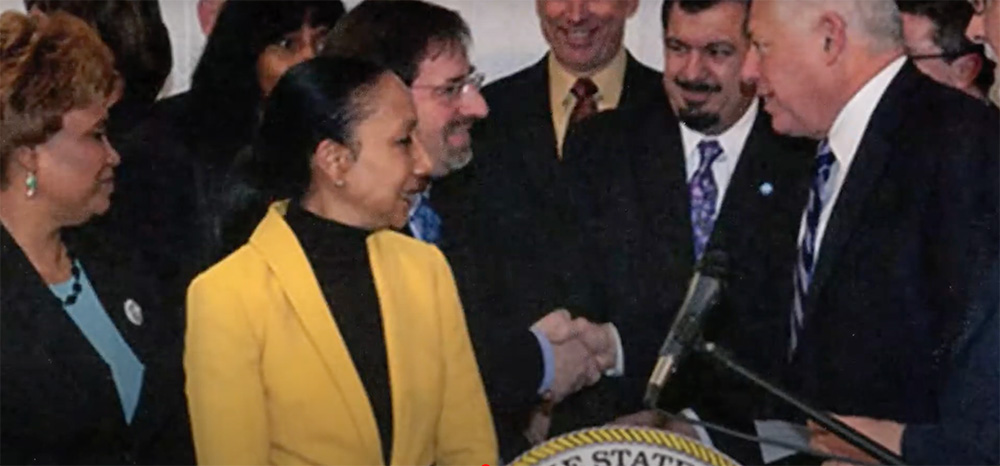
BPI plays a key role in passing Chicago’s inclusionary zoning ordinance, making Chicago the largest city in the United States with an inclusionary zoning ordinance. BPI first drafted an inclusionary zoning ordinance for Chicago in 2004, and worked tenaciously for years with community organizations, advocacy groups, and city officials to build support and encourage passage.
2010
BPI publishes “How Can Municipalities Confront the Vacant Property Challenge?” along with the Chicago Metropolitan Agency for Planning and the Metropolitan Mayors Caucus. The manual describes the most effective tools for addressing vacant property problems. This leads BPI to provide education and assistance for over 100 municipalities in northern Illinois to help them address their vacant properties.
2012
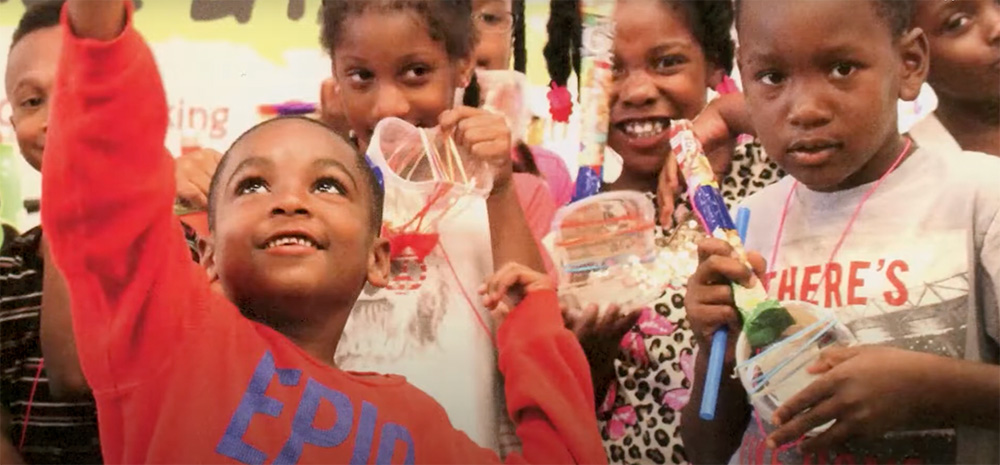
BPI, in partnership with a broad coalition of community partners, launches a comprehensive Early Childhood Learning Initiative in the Altgeld Gardens community.
2015
In partnership with the Illinois Department of Juvenile Justice, BPI develops a strategic plan to transform Illinois’ juvenile justice system to focus on education and rehabilitation and to dramatically reduce the number of children in prison in the state.
2018
BPI publishes No Place to Call Home: Navigating Reentry Housing in Chicago, the result of a research partnership with Roosevelt University’s Policy Research Collaborative identifying the many barriers residents returning from prison encounter in securing housing and policy approaches to address those challenges.
2019
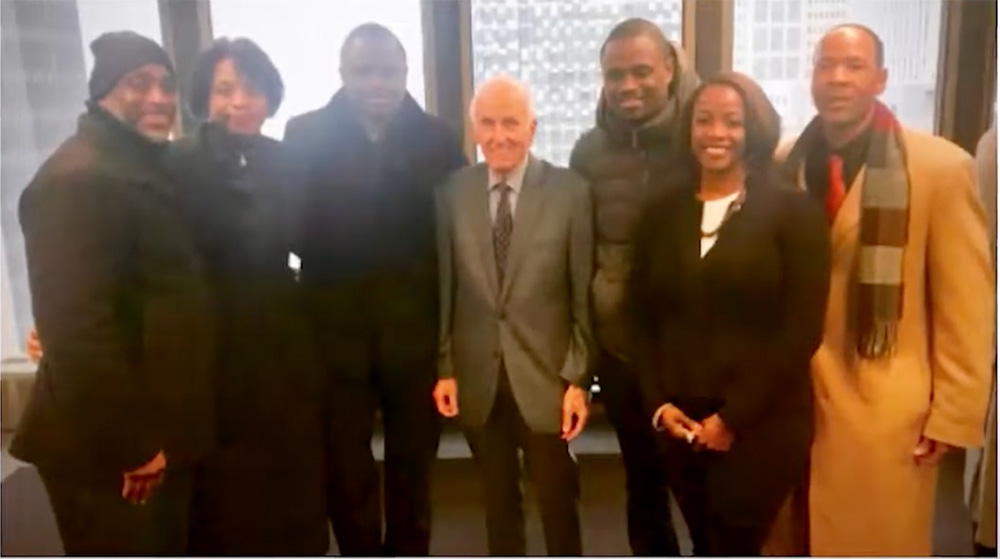
BPI and the Chicago Housing Authority agree to a court-approved settlement of the decades-old Gautreaux case, obligating the Chicago Housing Authority to meet specific commitments to end the case. Among other things, the settlement agreement provides requirements for Chicago Housing Authority’s construction of new mixed-income communities across Chicago.
2021
The Chicago City Council passes the Empowering Communities for Public Safety ordinance, creating the first citywide community oversight commission with the power to bring about systemic police reform. Passage of this ordinance is the result of BPI partnership with the Grassroots Alliance for Police Accountability, and it creates a community oversight ordinance for the Chicago Police Department that is a national model and holds great promise for improving policing.
2023
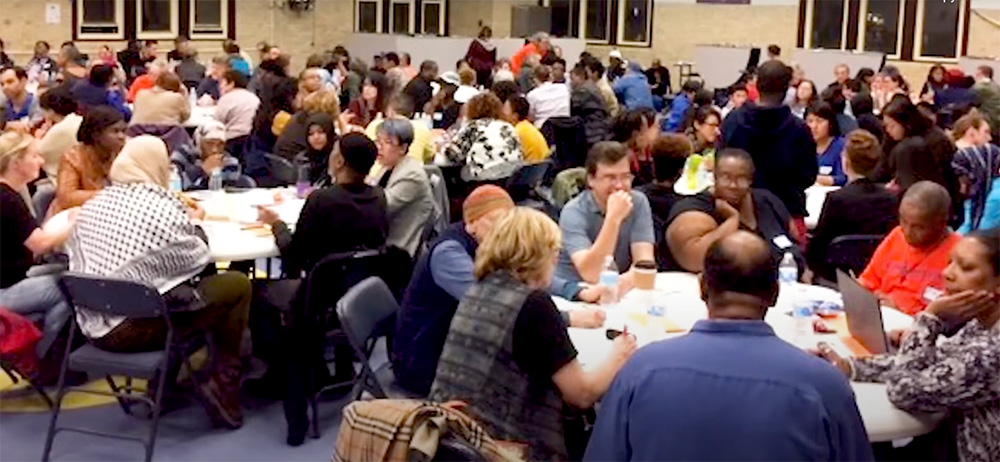
After 54 years as BPI, the organization rebrands as Impact for Equity. Our new name together with our new tagline, “Combating Injustice Together,” bring us closer to our organizational values and our commitment to advancing racial, economic, and social justice. We focus our efforts on the most pressing issues of injustice related to our continued work for safe and affordable housing, and reforms in the criminal legal system.
Today
Impact for Equity continues to build on its history of combating systemic inequities and fighting for racial, economic, and social justice.

